%2Ffit-in%2F250x250%2Fguide_websites%2F12078%2Fimages%2Ftemplogossheet2.png&w=1920&q=100)
Blue Crabs Catch in Aransas Pass TX
Blue Crab Fishing in Aransas Pass - What to Expect
%2F%2Fusers%2F9d685f88-abca-445f-9db4-bee2d2e4e15b%2Fimages%2Fblue-crabs-aransas-pass-basket-2221.jpg&w=1920&q=75)
Fishing Charter by Experts Auni, David & Team in August
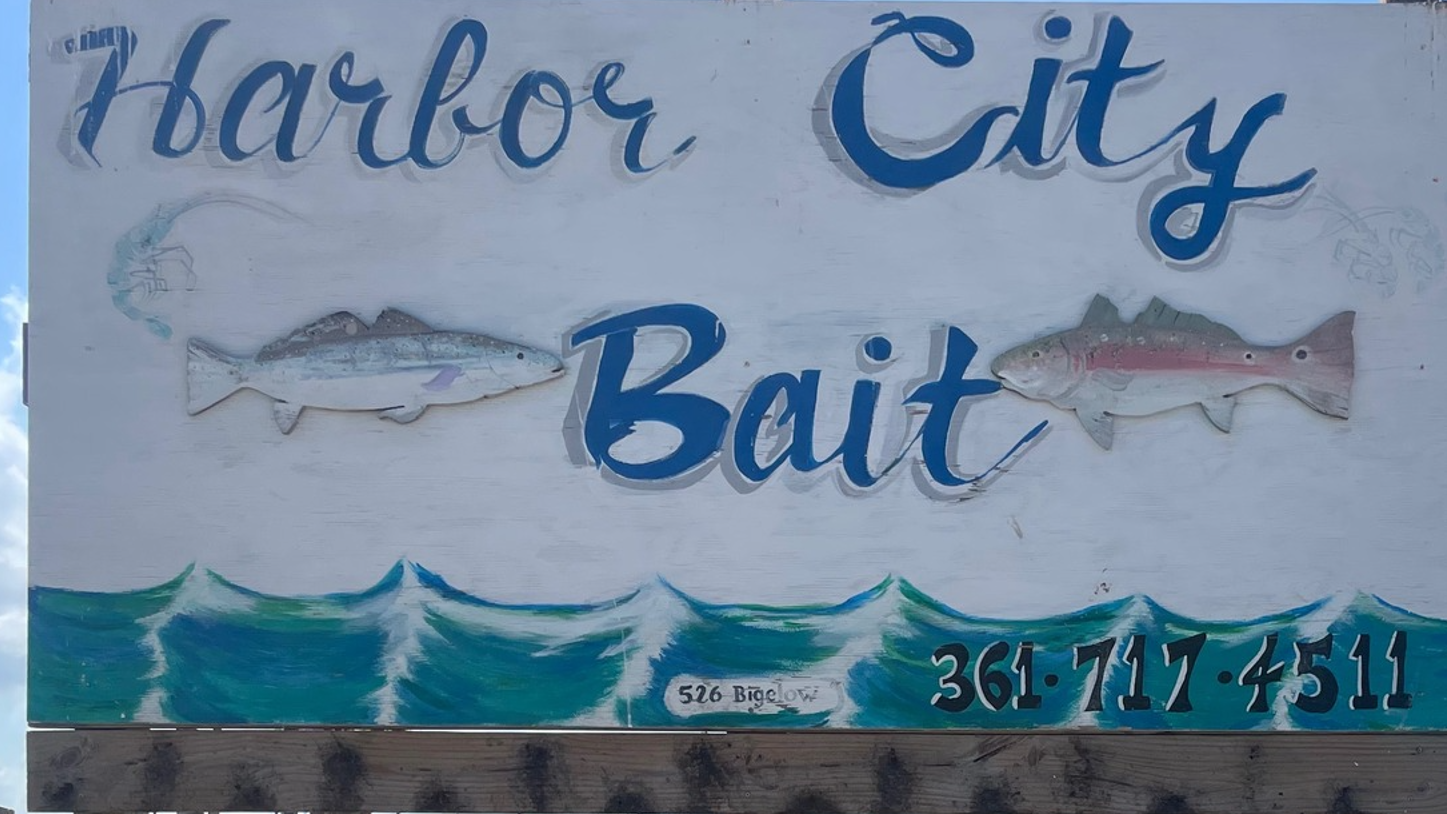
Meet your Experts Auni & Team
- Bait Shop and Fishing Charter Referral Company


Summary
On a Saturday in August, a fishing charter from Harbor City Bait Shop in Aransas Pass delivered the real deal - fresh blue crabs pulled straight from the Gulf waters. Working with Auni and the team, anglers experienced what local bait and fishing expertise looks like when you're targeting one of the region's most sought-after catches. The crabs came in strong, landing in bright orange baskets that told the story of a successful day on the water.
Fishing Charter with Auni & Team - Rates & Booking
The experts at Harbor City Bait Shop on Saturday, August 2nd bring serious local knowledge to every fishing charter heading out of Aransas Pass. Auni, David, and their team have built a reputation around understanding where the crabs congregate and how to work the Gulf waters efficiently. This isn't guesswork - it's experience built on consistent time on the water. When you book a charter with them, you're getting anglers who know the tides, the seasonal patterns, and the techniques that work in these waters.
Harbor City Bait Shop handles the logistics that matter: live bait pickup, proper rigging, and the expertise to guide you toward productive areas. Their fishing charter structure keeps groups focused and moving toward success. If you're serious about crabbing and want to learn from people who do this regularly, booking with Auni and the team gives you access to that knowledge directly. Contact Harbor City Bait Shop in Aransas Pass to reserve your charter and get details on current rates and availability.
Highlights of Fishing in Aransas Pass Waters
The Gulf waters around Aransas Pass hold consistent populations of blue crabs, particularly in the shallow bays and grass flats where they feed and molt. What makes this location work is the combination of healthy habitat and accessible fishing grounds. The crabs you see in orange baskets like these are the result of proper technique and understanding crab behavior - they're not just caught randomly, they're targeted strategically.
The experience of working these waters with knowledgeable guides means you're not just going through motions. You're learning how local professionals approach the fishery, what signs indicate productive spots, and how seasonal changes affect your chances. Days like this one show why anglers return repeatedly to fish out of Aransas Pass.
Local Crabbing Insights in Aransas Pass
Blue crabs in the Aransas Pass area thrive in the nutrient-rich Gulf waters where bays, channels, and grass flats provide ideal hunting and molting grounds. These crabs are bottom feeders that spend much of their time in shallow to moderate depths, searching for smaller organisms and organic matter. The Gulf's salinity levels and water temperature patterns keep populations healthy and predictable throughout the year, though seasonal movements do affect where and when you'll find concentrations of harvestable crabs.
What anglers discover working with Harbor City Bait Shop is that success comes from understanding crab movement patterns. During certain tidal phases and times of day, crabs move into shallow feeding areas. During others, they retreat to deeper channels. Local guides know these rhythms and adjust their approach accordingly. The orange baskets full of fresh crabs represent the payoff of that knowledge - crabs that were caught by understanding where they'd be and how to present bait effectively.
The Gulf environment here supports both male and female crabs at different life stages. Molting season brings changes in behavior and availability. Water clarity, salinity, and temperature all influence feeding activity. When you fish these waters with experienced guides, you're working within an ecosystem that's been established for generations. Harbor City Bait Shop and teams like Auni's understand these dynamics because they're out here consistently observing and adapting.
These blue crabs have commercial value and are prized by both recreational and professional harvesters, but they're also important to the Gulf ecosystem. The fishery remains sustainable in this area because of management practices and the fact that the habitat continues to support healthy populations. Catching them as shown here represents a successful interaction with a well-established local resource.